Autonomous AI Systems Reach New Heights
Self-Improving AI Models
The AI trends 2026 landscape will be dominated by revolutionary self-improving AI models that can autonomously modify and optimize their own code. These systems represent a quantum leap from traditional machine learning approaches, utilizing meta-learning algorithms that enable continuous self-enhancement without human intervention. Advanced AI tools like AutoML platforms are evolving into sophisticated software ecosystems capable of rewriting their own neural architectures based on performance feedback.
These self-modifying systems employ recursive improvement mechanisms, where each iteration produces more efficient algorithms than the previous version. Leading tech companies are developing AI tool frameworks that can automatically adjust hyperparameters, optimize network topology, and even discover novel training techniques. This autonomous evolution capability reduces development time from months to hours, making AI deployment more accessible across industries.
Autonomous Business Operations
Fully autonomous supply chain management represents one of the most significant AI trends 2026 will witness. Intelligent software systems now orchestrate entire business operations, from inventory management to customer service, with minimal human oversight. These AI-driven platforms can predict demand fluctuations, optimize logistics routes, and automatically negotiate contracts with suppliers.
Advanced AI tools are transforming traditional business models by enabling complete automation of complex decision-making processes. These systems analyze market conditions in real-time, adjust pricing strategies dynamically, and manage resource allocation across multiple departments simultaneously. Companies implementing autonomous business operations report efficiency improvements of up to 60% while reducing operational costs significantly.
Advanced Robotics Integration
The convergence of AI and robotics in 2026 brings unprecedented capabilities to physical automation. Self-driving vehicles are finally achieving Level 5 autonomy, operating safely in any environment without human intervention. This breakthrough extends beyond transportation to include warehouse robots that learn new tasks through observation and manufacturing systems that adapt to product variations automatically.
Modern robotics software integrates seamlessly with AI platforms, enabling robots to perform complex service tasks in healthcare, hospitality, and retail sectors. These AI-powered machines demonstrate human-like dexterity and decision-making capabilities, handling delicate assembly operations and providing personalized customer interactions. The reduced need for human oversight allows businesses to operate 24/7 while maintaining consistent quality standards.
Quantum-AI Convergence Transforms Computing
Quantum Machine Learning Breakthroughs
The intersection of quantum computing and artificial intelligence creates unprecedented opportunities in the AI trends 2026 landscape. Quantum machine learning algorithms solve previously intractable problems by leveraging quantum superposition and entanglement properties. Advanced AI software platforms now incorporate quantum processors to handle complex optimization challenges that classical computers cannot address efficiently.
These quantum-enhanced AI tools demonstrate remarkable capabilities in pattern recognition, cryptography, and simulation tasks. Quantum neural networks process information exponentially faster than traditional architectures, enabling real-time analysis of massive datasets. Software developers are creating hybrid quantum-classical algorithms that maximize the strengths of both computing paradigms, delivering breakthrough performance in machine learning applications.
Enhanced Processing Capabilities
Quantum processors revolutionize AI model training by reducing computation times from weeks to hours. This dramatic acceleration enables researchers to experiment with larger, more complex neural networks that were previously computationally prohibitive. AI development tools now incorporate quantum simulators, allowing developers to prototype quantum algorithms before deploying on actual quantum hardware.
The exponential speed improvements transform how businesses approach data analysis and predictive modeling. Companies using quantum-enhanced AI software report breakthrough insights in market analysis, customer behavior prediction, and operational optimization. These processing capabilities make sophisticated AI accessible to smaller organizations that couldn't previously afford extensive computational resources.
Industry Applications
Drug discovery benefits tremendously from quantum-AI convergence, with pharmaceutical companies using specialized software to simulate molecular interactions at unprecedented scales. These AI tools predict drug efficacy and side effects before clinical trials, reducing development costs by billions of dollars. Quantum-enhanced algorithms model protein folding and drug-target interactions with accuracy previously impossible with classical computers.
Financial institutions leverage quantum AI software for risk assessment and algorithmic trading, processing market data with quantum advantage algorithms. Climate scientists use quantum-powered AI tools to create detailed environmental models, predicting weather patterns and climate change effects with remarkable precision. These applications demonstrate how quantum-AI convergence will reshape multiple industries throughout 2026 and beyond.
Hyper-Personalized AI Experiences
Contextual AI Assistants
The evolution toward hyper-personalized AI experiences represents one of the most compelling AI trends 2026 will deliver. Advanced AI assistants now understand individual preferences, behavior patterns, and contextual needs with unprecedented accuracy. These intelligent systems learn from every interaction, building comprehensive user profiles that enable truly personalized experiences across all digital touchpoints.
Modern AI software platforms integrate multiple data sources to create holistic user understanding, from calendar appointments and location data to communication patterns and browsing habits. These contextual AI tools anticipate user needs before explicit requests, proactively suggesting relevant information, scheduling optimizations, and resource recommendations. The sophistication of these systems transforms digital interaction from reactive to predictive, fundamentally changing how people engage with technology.
Predictive User Interfaces
Revolutionary user interface design emerges from AI-driven personalization, where software adapts dynamically based on individual user behavior and preferences. These intelligent interfaces rearrange elements, modify workflows, and present information in formats optimized for each user's cognitive style and task requirements. Advanced AI tools analyze user interaction patterns to predict optimal interface configurations for maximum productivity and satisfaction.
Adaptive interface software goes beyond simple customization to create truly intelligent user experiences. These systems recognize user stress levels, attention patterns, and task urgency to modify interface complexity and information density accordingly. The result is seamless human-computer interaction that feels natural and effortless, significantly reducing cognitive load and improving user satisfaction across all application types.
Personalized Content Generation
AI-powered content generation reaches new heights of personalization, creating unique materials tailored to individual knowledge levels, interests, and learning styles. These advanced AI tools produce educational content, marketing materials, and entertainment media that resonates specifically with each recipient. Sophisticated algorithms analyze user engagement patterns to optimize content format, complexity, and presentation style for maximum impact.
Content generation software now incorporates privacy-preserving techniques like federated learning to maintain personalization while protecting user data. These AI systems create personalized news summaries, educational curricula, and entertainment recommendations without compromising individual privacy. The technology enables mass customization at scale, delivering billion unique experiences while maintaining efficiency and cost-effectiveness for content providers.

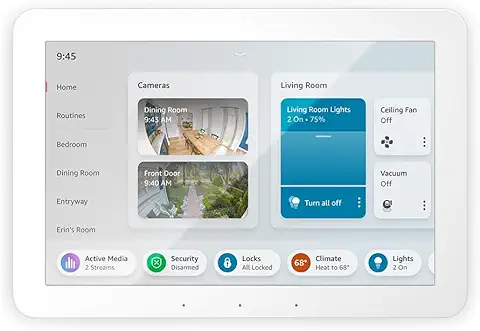
Check each product page for other buying options. Price and other details may vary based on product size and color.
Highly rated by customers for quality and value. Click to see current pricing and customer reviews.
More Top-Rated Options



Multimodal AI Becomes the Standard
Unified Understanding Across Formats
Multimodal AI systems represent a fundamental shift in how artificial intelligence processes and understands information, marking it as one of the most significant AI trends 2026 will showcase. These advanced AI tools simultaneously process text, images, audio, and video to create comprehensive understanding that mirrors human cognitive abilities. Unlike previous systems that handled single data types, modern multimodal software integrates multiple input streams to generate contextually rich insights and responses.
The sophistication of these AI platforms enables unprecedented applications in education, entertainment, and professional services. Advanced algorithms correlate visual information with textual descriptions, audio cues with emotional context, and temporal sequences across all modalities. This unified processing capability allows AI tools to understand complex scenarios, answer nuanced questions, and generate appropriate responses that consider all available information sources simultaneously.
Creative AI Applications
Creative industries experience revolutionary transformation through multimodal AI software that generates sophisticated artistic content across multiple formats. These AI tools create cohesive multimedia presentations, combining generated images, music, narration, and text into polished productions. Professional artists and content creators use these platforms to enhance their creative workflows, generating initial concepts, exploring variations, and producing final materials with unprecedented speed and quality.
Advanced creative AI platforms understand aesthetic principles, brand guidelines, and audience preferences to generate content that aligns with specific creative visions. These software solutions enable small teams to produce content previously requiring large production crews, democratizing high-quality content creation across industries. The technology supports both fully automated generation and collaborative human-AI creative processes, offering flexibility for diverse creative approaches.
Enhanced Human-AI Interaction
Natural conversation with AI systems evolves dramatically through multimodal understanding, enabling truly intuitive human-computer interaction. Users communicate through speech, gestures, facial expressions, and text simultaneously while AI tools process all inputs to understand intent, emotion, and context comprehensively. This rich interaction model eliminates traditional interface barriers, making AI assistance accessible to users regardless of technical expertise or physical abilities.
Accessibility features benefit enormously from multimodal AI capabilities, with software automatically adapting communication methods based on user needs and preferences. These AI systems provide visual descriptions for audio content, generate captions for video materials, and translate between different communication modalities seamlessly. The technology ensures inclusive access to AI benefits while maintaining natural, efficient interaction patterns that feel more human-like than ever before.
AI-Driven Scientific Discovery Accelerates
Automated Research Processes
Scientific research undergoes fundamental transformation as automated AI systems generate and test hypotheses independently, representing a pivotal development among AI trends 2026. Advanced AI tools now formulate research questions based on literature analysis, design experiments, and interpret results with minimal human intervention. These sophisticated software platforms access vast scientific databases, identify knowledge gaps, and propose novel research directions that human researchers might overlook.
Modern research AI systems employ automated laboratory equipment to conduct physical experiments, collect data, and analyze results in continuous cycles. These AI tools can run hundreds of parallel experiments, testing multiple hypotheses simultaneously while optimizing experimental parameters in real-time. The acceleration of scientific discovery through AI automation reduces research timelines from years to months, enabling rapid progress in critical fields like medicine, materials science, and environmental research.
Cross-Disciplinary Breakthroughs
AI-powered research platforms excel at identifying connections between disparate scientific fields, leading to breakthrough discoveries at disciplinary intersections. These intelligent software systems analyze research patterns across biology, chemistry, physics, and engineering simultaneously, revealing hidden relationships that drive innovation. Advanced AI tools process millions of research papers to identify promising cross-pollination opportunities that human researchers couldn't detect manually.
Drug discovery timelines compress dramatically as AI systems combine insights from genomics, pharmacology, and computational chemistry to identify novel therapeutic targets. These integrated AI platforms predict drug interactions, optimize molecular structures, and identify repurposing opportunities for existing medications. The cross-disciplinary approach enables breakthrough treatments for previously intractable diseases while reducing development costs and time-to-market for life-saving medications.
Collaborative AI Scientists
The emergence of AI scientists as collaborative research partners transforms how human researchers approach complex scientific problems. These AI systems don't replace human scientists but augment their capabilities by handling data-intensive analysis, hypothesis generation, and experimental design optimization. Advanced research software enables seamless collaboration between human creativity and AI processing power, combining intuitive insights with computational rigor.
AI research assistants manage vast experimental datasets, identify statistical patterns, and suggest promising research directions based on comprehensive literature analysis. These intelligent tools help human scientists focus on creative problem-solving and strategic research planning while handling routine analytical tasks. The collaborative model accelerates scientific progress by leveraging the unique strengths of both human intuition and artificial intelligence processing capabilities.
Edge AI and Distributed Intelligence
Local Processing Revolution
Edge AI computing transforms the technological landscape as one of the most impactful AI trends 2026 brings to mainstream adoption. Advanced AI tools now operate entirely on local devices, eliminating dependency on cloud connectivity and enabling real-time processing in previously impossible scenarios. Sophisticated AI chips and specialized hardware allow smartphones, tablets, and IoT devices to run complex machine learning models without external server connections.
This distributed processing capability revolutionizes industries requiring instant responses, such as autonomous vehicles, medical devices, and industrial automation systems. Local AI software provides consistent performance regardless of network conditions, enabling reliable operation in remote locations or during connectivity disruptions. The technology democratizes AI access by reducing infrastructure requirements and operational costs while improving response times dramatically.
IoT and Smart City Integration
Smart city infrastructure benefits tremendously from distributed AI systems that process data locally while coordinating globally for optimized urban management. Edge AI devices throughout metropolitan areas analyze traffic patterns, environmental conditions, and energy consumption in real-time without overwhelming central processing systems. These distributed AI tools enable responsive city services that adapt to changing conditions immediately.
Intelligent traffic management systems use edge AI software to optimize signal timing, route emergency vehicles, and manage congestion dynamically. Environmental monitoring networks employ local AI processing to detect pollution spikes, weather changes, and safety hazards while coordinating responses across city-wide systems. The distributed approach ensures resilient smart city operations that continue functioning even during network outages or central system failures.
Privacy and Security Benefits
Edge AI processing provides unprecedented privacy protection by keeping sensitive data on local devices rather than transmitting it to external servers. Advanced AI software employs techniques like federated learning to improve model performance while maintaining strict data locality. This approach addresses growing privacy concerns while enabling sophisticated AI capabilities that previously required cloud processing.
Security benefits extend beyond privacy to include reduced attack surfaces and improved system resilience. Local AI tools can detect and respond to security threats immediately without waiting for cloud-based analysis. The distributed architecture prevents single points of failure while maintaining AI functionality during network attacks or infrastructure disruptions. These security advantages make edge AI particularly attractive for critical applications in healthcare, finance, and national security sectors.
Ethical AI and Governance Frameworks Mature
Regulatory Compliance and Standards
The maturation of AI governance frameworks represents a crucial development among AI trends 2026, as global regulatory standards establish comprehensive guidelines for AI development and deployment. International organizations collaborate to create unified AI software standards that ensure safety, reliability, and ethical operation across borders. These frameworks provide clear guidelines for AI tool development while promoting innovation within responsible boundaries.
Compliance monitoring systems use AI to audit AI systems themselves, creating automated oversight mechanisms that detect potential violations and bias issues. Advanced regulatory software platforms help organizations navigate complex compliance requirements while maintaining operational efficiency. These tools translate regulatory language into practical implementation guidelines, making compliance accessible to organizations of all sizes and technical capabilities.
Bias Detection and Mitigation
Sophisticated bias detection systems become integral components of all AI software platforms, automatically identifying and correcting discriminatory patterns before they impact users. These AI tools continuously monitor model performance across different demographic groups, flagging potential bias issues and suggesting corrective measures. Advanced algorithms detect subtle forms of bias that human reviewers might miss while providing actionable recommendations for improvement.
Automated bias mitigation software integrates into AI development workflows, preventing biased models from reaching production environments. These systems employ techniques like adversarial training and fairness constraints to ensure equitable AI behavior across all user groups. The technology makes bias prevention proactive rather than reactive, building fairness into AI systems from the ground up rather than attempting corrections after deployment.
Transparent AI Decision-Making
Explainable AI becomes an industry requirement as organizations demand transparency in AI decision-making processes. Advanced AI tools now provide clear explanations for their recommendations and decisions, enabling users to understand and validate AI reasoning. This transparency builds trust while enabling informed human oversight of AI systems in critical applications.
Audit trail software maintains comprehensive records of AI decision-making processes, enabling post-hoc analysis and accountability. These systems track input data, model versions, and decision logic to provide complete transparency for regulatory compliance and quality assurance. The technology enables organizations to demonstrate responsible AI use while identifying opportunities for model improvement and bias reduction.
Industry-Specific AI Transformations
Healthcare AI Revolution
Healthcare experiences unprecedented transformation through specialized AI applications that revolutionize patient care and medical research. Advanced diagnostic AI tools analyze medical imaging with accuracy surpassing human specialists, detecting early-stage diseases and rare conditions that might otherwise go unnoticed. These sophisticated software platforms integrate multiple data sources including lab results, genetic information, and patient history to provide comprehensive health assessments.
Personalized medicine reaches new heights as AI systems recommend targeted treatments based on individual genetic profiles, lifestyle factors, and medical history. Intelligent drug recommendation platforms analyze patient responses to predict optimal medication choices and dosages while monitoring for adverse reactions. These AI-powered tools enable precision healthcare that adapts to each patient's unique characteristics, improving outcomes while reducing treatment costs and side effects.
Financial Services Innovation
Financial institutions leverage AI trends 2026 to deliver sophisticated automated advisory services that democratize wealth management and investment guidance. Advanced AI software platforms analyze market conditions, individual risk tolerance, and financial goals to provide personalized investment strategies previously available only to high-net-worth clients. These intelligent tools continuously monitor portfolio performance and adjust strategies based on changing market conditions and personal circumstances.
Fraud detection systems evolve to use behavioral analytics and pattern recognition that identify suspicious activities in real-time across multiple transaction channels. AI-powered risk assessment tools analyze vast datasets including transaction history, credit patterns, and external economic factors to make more accurate lending decisions. These advanced platforms reduce false positives while improving detection of sophisticated fraud schemes, protecting both financial institutions and their customers.
Manufacturing and Supply Chain
Manufacturing undergoes digital transformation through AI-powered predictive maintenance systems that prevent equipment failures before they occur. Smart manufacturing platforms use sensor data and machine learning algorithms to optimize production schedules, quality control, and resource allocation continuously. These AI tools reduce downtime, improve product quality, and increase overall equipment effectiveness while minimizing waste and energy consumption.
Supply chain management becomes increasingly intelligent through AI software that predicts demand fluctuations, optimizes inventory levels, and identifies potential disruptions before they impact operations. Advanced logistics platforms coordinate transportation, warehousing, and distribution activities to minimize costs while maximizing delivery speed and reliability. These integrated AI systems enable responsive supply chains that adapt quickly to market changes while maintaining operational efficiency.
Preparing for the AI-Driven Future
Workforce Development and Reskilling
Organizations recognize that successful AI adoption requires comprehensive workforce preparation as AI trends 2026 reshape job requirements across industries. Strategic reskilling programs focus on developing AI literacy, teaching employees how to work effectively with AI tools and software platforms. These initiatives emphasize human skills that complement AI capabilities, such as creative problem-solving, emotional intelligence, and strategic thinking.
Professional development programs integrate hands-on experience with AI software, enabling employees to understand AI capabilities and limitations through practical application. Companies invest in continuous learning platforms that help workers adapt to evolving AI tools while maintaining relevance in their professional roles. This proactive approach to workforce development ensures smooth AI integration while maximizing the benefits of human-AI collaboration.
Business Strategy Adaptation
Forward-thinking organizations develop comprehensive AI adoption strategies that align technology implementation with business objectives and organizational culture. Strategic planning processes now include AI readiness assessments, identifying opportunities where AI tools can create competitive advantages while addressing potential implementation challenges. These frameworks help businesses make informed decisions about AI investments and deployment timelines.
Change management becomes crucial for successful AI integration, requiring careful attention to employee concerns, process modifications, and cultural shifts. Organizations develop AI governance structures that ensure responsible implementation while maintaining operational efficiency and employee satisfaction. These strategic approaches enable sustainable AI adoption that delivers long-term value while maintaining organizational stability and employee engagement.
Societal Implications
The broader societal impact of AI advancement requires thoughtful consideration of job displacement, economic inequality, and social change. Policymakers and business leaders collaborate to develop transition support systems that help displaced workers adapt to AI-enhanced work environments. Educational institutions redesign curricula to prepare future workers for AI-augmented careers while addressing the digital divide that could exacerbate social inequalities.
Building AI-ready organizational cultures involves fostering innovation mindsets while maintaining ethical standards and human-centered values. Companies develop frameworks that balance AI efficiency gains with social responsibility, ensuring that technological advancement contributes positively to community well-being. This holistic approach to AI adoption creates sustainable progress that benefits organizations, individuals, and society as a whole.